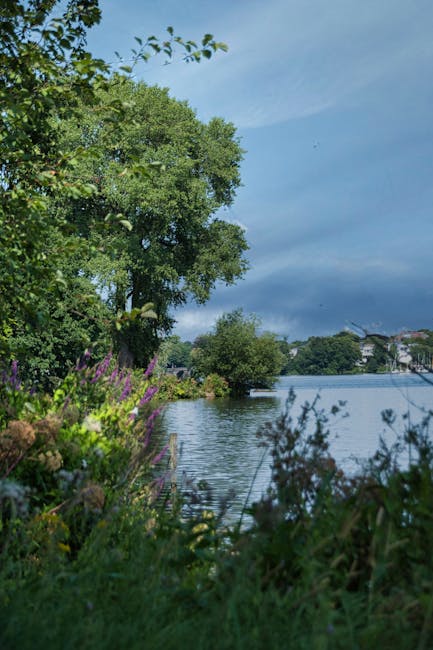
Southmere Lake gardeners best tips for waterside gardens
Waterside gardens look calm from a distance, but anyone who has tended one knows they can be a bit tricky up close. At Southmere Lake, wind, damp soil, fluctuating moisture, algae-friendly shade, and foot traffic all shape how a garden behaves. That means the usual "plant it and forget it" approach rarely works for long. If you want a garden that stays healthy, tidy, and genuinely enjoyable beside the water, you need the right methods from the start.
This guide pulls together Southmere Lake gardeners best tips for waterside gardens in a practical, no-nonsense way. You will find planting advice, maintenance habits, common mistakes, and a few decisions that can save a lot of frustration later. If you are planning a redesign, a tidy-up, or simply trying to keep a shoreline border under control, this is for you.
Table of Contents
- Why waterside garden care matters
- How waterside gardening works in practice
- Key benefits and practical advantages
- Who this is for and when it makes sense
- Step-by-step guidance
- Expert tips for better results
- Common mistakes to avoid
- Tools, resources and recommendations
- Law, compliance, standards, or best practice
- Options, methods, or comparison table
- Case study or real-world example
- Practical checklist
- Conclusion
- Frequently asked questions
Why Southmere Lake gardeners best tips for waterside gardens Matters
Gardeners working near Southmere Lake deal with conditions that are different from a standard back garden. Soil can stay wetter for longer, breeze off the water can dry the surface faster than expected, and the light quality near open water can change through the day. Add in regular human activity, pets, and the occasional muddy boot, and suddenly the garden needs more than ordinary care.
That is why Southmere Lake gardeners best tips for waterside gardens are so useful. They are not about making a waterside space look perfect for one weekend. They are about keeping it resilient, attractive, and manageable through the whole year. A well-planned lakeside garden also helps protect softer ground, improves safety around paths and edges, and makes the space feel calm rather than fussy.
To be fair, waterside gardens have a charm that is hard to beat. The reflections, the reeds, the movement of grasses in a light breeze... lovely. But they can also become messy very quickly if they are planted or maintained like a dry inland plot. A few practical choices early on often make the difference between a garden that settles in and one that keeps sulking.
How Southmere Lake gardeners best tips for waterside gardens Works
The core idea is simple: match the garden to the site, not the other way round. Around a lake, the site usually tells you what it wants. The soil structure, drainage speed, prevailing wind, sun exposure, and access points all matter. If those conditions are ignored, even strong plants can struggle.
In practice, good waterside gardening follows a few linked principles:
- Observe the microclimate before planting. A sunny bank, a sheltered corner, and a shaded edge may need completely different plants.
- Stabilise the soil with the right planting structure, mulching, and, where needed, low-impact hard landscaping.
- Choose plants for tolerance, not just appearance. Some plants love moisture; others hate it.
- Reduce maintenance stress by grouping plants with similar needs and leaving sensible access for pruning, mowing, and clearance.
- Keep runoff and erosion in check so beds do not wash away after heavy rain or wind.
Think of it as working with a living edge. The ground near water can shift from soggy to crusty faster than people expect. That is why structure matters. Good edging, careful soil prep, and regular upkeep keep the whole place from sliding into a half-wild look that, frankly, is harder to recover from than most people imagine.
Key Benefits and Practical Advantages
When waterside gardening is done well, the benefits are not just visual. You get a garden that feels easier to live with. Less constant patching-up. Less damage after rain. Less guessing about what has died and why.
- Better plant survival because species are matched to the damp, breezy environment.
- Lower maintenance pressure because beds, lawns, and edges are designed for realistic upkeep.
- Cleaner, tidier presentation around paths, entrances, and sitting areas.
- Improved safety where slippery growth, uneven ground, or poor visibility could become a problem.
- More biodiversity when native or wildlife-friendly planting is chosen with care.
- Longer-lasting landscaping features such as decking, steps, and border supports when moisture is properly managed.
If you are considering broader improvements, it can help to think about the whole garden system rather than one bed at a time. Services such as landscape gardening and landscaping are especially relevant where levels, drainage, and planting need to work together. Small changes can have a big effect. Sometimes a raised border or a better path edge solves more than a dozen plant swaps ever will.
Who This Is For and When It Makes Sense
This advice suits a few different kinds of garden owners and managers. Some are improving a private garden near Southmere Lake. Others are looking after communal spaces, rental properties, or shared outdoor areas that need to stay presentable without becoming high-maintenance beasts.
- Homeowners who want a waterside garden that feels calm, tidy, and practical.
- Landlords and letting agents who need the outside space to remain attractive between tenancies.
- Residents with slopes or soft ground where soil movement is already an issue.
- People creating a wildlife-friendly edge without letting it tip into overgrowth.
- Busy households that want a garden which can cope with irregular maintenance, because let's face it, life gets in the way.
It also makes sense if your garden already has signs of stress: bare patches near the water, muddy access points, overcrowded shrubs, algae on paving, or a lawn that turns into a sponge every wet spell. In those cases, a tidy-up supported by garden maintenance can be the most sensible first step before any bigger redesign.
Step-by-Step Guidance
Here is a practical way to approach a waterside garden near Southmere Lake without making it overly complicated.
- Start with a site walk. Look at where water sits after rain, where the wind hits hardest, and which areas dry first. Do this at different times if you can. Morning and late afternoon can tell very different stories.
- Identify the priority zones. Not every part of the garden needs the same treatment. Focus on entrances, seating areas, edges near paths, and the most visible beds first.
- Improve the ground before planting. Add organic matter where soil is thin, compacted, or tired. In wet spots, avoid making the soil too rich and heavy all at once; that can backfire.
- Choose plant layers carefully. Use groundcovers, perennials, shrubs, and grasses together to hold soil and create movement. Single-species beds often look neat on day one and awkward by autumn.
- Install practical edging. Strong edging helps keep mulch, soil, and gravel where they belong. It also makes mowing and trimming cleaner.
- Set a maintenance rhythm. A little attention every couple of weeks beats heroic seasonal clean-ups. Most gardens do better with regular, small interventions.
- Review after storms and heavy rain. Check for washout, leaning plants, blocked drains, and compacted paths. Fix issues early.
If major clearing is needed before you begin, a proper garden clearance can reset the space so you are not planting into a mess. That sounds obvious, but people skip it all the time and then wonder why nothing settles.
Expert Tips for Better Results
Here is where the details start to matter. A waterside garden can be quite forgiving in one way and surprisingly fussy in another. The following tips are the ones that tend to make a real difference.
1. Use moisture-tolerant plants, but do not overdo the wet-theme look
Plants that cope with damp conditions are helpful, but if every plant looks like it belongs in the same bog garden, the space can feel heavy and repetitive. Mix textures. Pair upright grasses with softer flowering plants and structural shrubs. Balance is everything.
2. Keep the canopy open enough for airflow
Near water, damp air can sit around leaves for longer, especially in still corners. Good airflow helps reduce mildew, blackspot, and that tired-looking, stuck-together foliage you sometimes see after a wet spell.
3. Avoid over-feeding rich, lush plants right at the edge
Too much fertiliser can push weak, top-heavy growth that flops when wind picks up. In a windy lakeside setting, sturdy growth is more useful than over-enthusiastic growth. Strong roots first, showy top growth second.
4. Mulch sensibly
Mulch helps with moisture retention and weed control, but on a wet site you need to keep it light and well managed. Heavy mulch piled against stems can trap too much moisture and encourage rot. Not ideal, obviously.
5. Make access easy for regular care
If you cannot get comfortably to the back of a border, you will not maintain it properly. Paths, stepping points, and clear working space matter more than many people think. This is where a bit of planning saves a lot of awkward leaning and trampling later.
6. Treat lawn edges as high-maintenance zones
Waterside lawns tend to show their weaknesses fast: damp patches, moss, soft edges, and uneven wear. Regular mowing helps, but so does careful edging and not letting turf creep into soggy ground. If the lawn is becoming a headache, specialist lawn mowing and edging can keep things crisp without bruising the surface.
Common Mistakes to Avoid
Most waterside garden problems are not dramatic. They are cumulative. Small wrong choices made again and again. That is the annoying bit.
- Planting thirsty species in wet soil and hoping they will adapt.
- Ignoring drainage signs such as pooling, soft ground, or mossy paving.
- Overcrowding borders so air cannot move and maintenance becomes difficult.
- Using the wrong hard landscaping materials for damp areas, which can speed up wear or slipperiness.
- Letting shrubs shade out everything else until the garden feels dark and unbalanced.
- Waiting too long to cut back dead growth, which then traps moisture and debris.
One of the biggest mistakes is trying to make a waterside garden behave like a dry courtyard. Different environment, different rules. You would not wear the same shoes for a muddy track and a polished floor, right? Gardens are a bit like that too.
Tools, Resources and Recommendations
You do not need a shed full of specialist kit, but the right tools make waterside work cleaner and safer.
- Sharp secateurs and loppers for clean pruning cuts.
- A sturdy rake for clearing leaves, algae debris, and surface litter.
- Spade and border fork for soil improvement and re-shaping edges.
- Wheelbarrow or garden trolley for moving mulch, green waste, and heavy material.
- Long-handled edging tool for keeping paths and beds neat.
- Non-slip footwear because lakeside surfaces can be slick after rain.
For larger jobs, professional support can save time and reduce mistakes. If overgrown shrubs, awkward tree limbs, or dead wood are crowding the space, a structured approach to hedge trimming and tree lopping and removal may be the difference between a balanced garden and one that keeps eating its own light.
If you are curious about the wider range of help available, it is worth looking at the services overview. That way you can match the garden problem to the right kind of support rather than guessing.
Law, Compliance, Standards, or Best Practice
Waterside garden work can involve practical and safety considerations even when no formal permission is obviously required. In the UK, you should always be careful around boundary lines, drainage points, shared access, protected trees, and any features that could affect nearby property or public space.
A few sensible principles apply:
- Do not remove or damage trees without checking status first if there is any chance they may be protected or subject to local controls.
- Keep work safe around slippery ground, uneven banks, and hidden soft spots.
- Avoid blocking drainage routes with soil, mulch, or paving debris.
- Dispose of green waste responsibly and separate recyclable material where possible.
- Use competent contractors for anything involving height, heavy lifting, machinery, or structural changes.
If you are arranging professional work, it is sensible to check a company's policies around safety and insurance. Pages such as health and safety policy, insurance and safety, payment and security, and terms and conditions are useful because they help you understand how work is handled, what standards are expected, and what happens if something changes. That kind of clarity matters more than people think.
Recycling and responsible disposal also count as best practice. If your project produces a lot of clippings, soil, or old planting waste, a focus on recycling and sustainability keeps the garden work aligned with a cleaner local environment. Not glamorous, maybe, but very sensible.
Options, Methods, or Comparison Table
There is more than one way to manage a waterside garden, and the right method depends on how much time, budget, and hands-on effort you want to commit. Here is a simple comparison.
| Approach | Best for | Pros | Watch-outs |
|---|---|---|---|
| Low-maintenance natural planting | Busy homeowners and wildlife-friendly spaces | Soft look, good resilience, less frequent pruning | Can look untidy if not edged and thinned regularly |
| Formal planting with strong structure | Front-facing areas and neat, defined gardens | Clear lines, easier visual control, tidy appearance | Needs more regular maintenance to stay sharp |
| Mixed planting plus hard landscaping | Gardens with paths, steps, or seating areas | Balances function and beauty, helps with access | Needs careful planning so materials suit damp conditions |
| Professional reset and ongoing care | Overgrown or neglected waterside plots | Fast improvement, better long-term control | Requires upfront investment and clear maintenance plan |
In many Southmere Lake gardens, the mixed approach is the sweet spot. Enough structure to keep it tidy. Enough softness to make it feel natural. Too much of either and it starts tipping over a bit.
Case Study or Real-World Example
Imagine a small lakeside garden with a narrow lawn, a damp border, and a few shrubs planted too close together. After winter, the lawn is patchy, the border is flopping over the path, and the whole space feels smaller than it really is. Nothing is a disaster. It just looks tired.
A sensible reset would begin with clearance of dead stems and excess growth, then a review of the soil and access routes. The border could be thinned so the healthiest shrubs get light and airflow. The path edge could be redefined with a sharper border line. Then moisture-tolerant underplanting and mulch could be added in layers, with room left for future pruning. If the hedge line or small trees are shading too hard, selective cutting back helps restore balance without stripping the space bare.
What changes first? Usually the light. Once sunlight can move through the planting properly, the whole garden starts to feel less damp and heavy. A lot of people are surprised by that. It is not just about what you plant; it is about what you let the garden breathe around.
For a garden like this, an occasional professional tidy-up paired with regular homeowner care can work very well. It is not about making it fancy. It is about making it liveable.
Practical Checklist
Use this checklist before and after any waterside garden work near Southmere Lake.
- Check where water pools after rain.
- Look for soft soil, moss, or slippery patches.
- Identify plants that are failing because of too much or too little moisture.
- Remove dead, broken, or crowded growth.
- Keep access routes clear for maintenance.
- Use mulch carefully and avoid piling it against stems.
- Make sure shrubs and trees are not blocking too much light.
- Review edges, borders, and path lines for erosion or wear.
- Schedule regular mowing, trimming, and light weeding.
- Separate green waste and dispose of it responsibly.
Quick takeaway: the best waterside gardens are not the most elaborate ones. They are the ones that respect moisture, airflow, access, and routine upkeep. Get those four things right and the rest becomes much easier.
Get a free quote today and see how much you can save.
Conclusion
Southmere Lake gardeners best tips for waterside gardens all come back to the same simple idea: design for the conditions you actually have. Not the ones you wish you had. That means choosing plants with a bit of backbone, keeping ground conditions under control, and maintaining the space steadily rather than waiting for it to become a weekend rescue mission.
A good waterside garden feels calm because it is built to cope. It sways a little, responds to rain, changes with the seasons, and still stays purposeful. That is the sweet spot. And truth be told, once a lakeside garden is working properly, it brings a lovely sense of ease to everyday life. You notice it when the wind moves through the grasses or when the path stays clear after a wet spell. Small things, but they matter.
If your garden near Southmere Lake needs a reset, a smarter maintenance plan, or help with the practical side of the work, a well-managed approach can make the whole space feel lighter, safer, and much more enjoyable. One careful step at a time.
Frequently Asked Questions
What makes waterside gardens different from normal gardens?
Waterside gardens deal with more moisture, more wind exposure, and often more soil movement than a standard inland garden. That affects planting choices, drainage, and how often the space needs maintenance. The conditions are simply more changeable.
Which plants are usually best for a garden near Southmere Lake?
Plants that tolerate damp soil, occasional wind, and variable light tend to perform best. A mixed structure of grasses, hardy perennials, and shrubs usually works better than a single planting style. The exact choice depends on the microclimate in each part of the garden.
How often should a waterside garden be maintained?
Light maintenance every couple of weeks is usually better than leaving everything until the end of the season. That might mean trimming, clearing debris, checking edges, and keeping on top of lawn care. The frequency depends on growth rate and weather, of course.
Why does my lakeside lawn stay wet for so long?
Lakeside lawns can hold moisture because the soil is naturally damp, compacted, or shaded. Poor drainage and foot traffic make it worse. Sometimes the best fix is improving the edge treatment and reducing stress on the turf rather than simply watering less.
Do I need professional help for waterside garden work?
Not always, but professional help makes sense for overgrown gardens, awkward slopes, large clearances, or any job involving trees, hedges, or hard landscaping. It is often the safer option when the ground is unstable or access is poor.
How can I stop my border from washing away after heavy rain?
Use proper edging, keep the soil covered with mulch or planting, and avoid leaving bare ground exposed for long periods. In some cases, regrading or a better landscape layout is needed. If washout happens repeatedly, the design may need a more durable fix.
Is decking a good idea near a waterside garden?
It can be, provided the materials and installation are suitable for damp conditions and the area is kept safe. Decking can create a useful sitting space and protect soft ground, but it needs correct design and maintenance so it does not become slippery or worn.
What should I do before starting a major garden tidy-up?
Walk the site, remove obvious waste, identify problem plants, and check for drainage issues or unsafe areas. If the space is heavily overgrown, a proper clearance first makes everything easier. Starting with a clean base saves time later.
How do I keep waterside planting from looking messy?
Use a few strong structural plants, repeat them in clusters, and keep the edges sharp. A garden can be natural-looking without looking untidy. That is the trick, really.
Are there special safety concerns near water?
Yes. Damp paving, soft soil, hidden holes, and uneven edges can all become slip or trip hazards. Non-slip footwear, clear paths, and sensible working practices matter a lot. If work involves height or heavy cutting, extra care is wise.
How do I know whether my garden needs clearance or maintenance?
If the space is cluttered, overgrown, or difficult to access, clearance is usually the first step. If the layout is fine but the plants and surfaces need regular care, maintenance is probably enough. Many gardens need both at different times.
Where can I learn more about the services available?
The most useful place to start is the services overview, especially if you are trying to match a specific garden problem with the right support. It is a sensible way to narrow things down without guessing.